
Whether you’re chasing career opportunities, planning a family relocation, or simply ready for a new cultural experience, Germany offers a strong mix of professional and lifestyle advantages.
This guide covers what Kiwis need to know about visas, work, housing, schooling, and international relocation logistics to make the move smooth and worthwhile.
Why Germany Appeals to New Zealanders
Germany remains a popular choice for New Zealanders looking to live in Europe. Its strong economy, particularly in fields like tech, engineering, and healthcare, offers solid career prospects. Many appreciate the excellent public services, universal healthcare, and work-life balance.
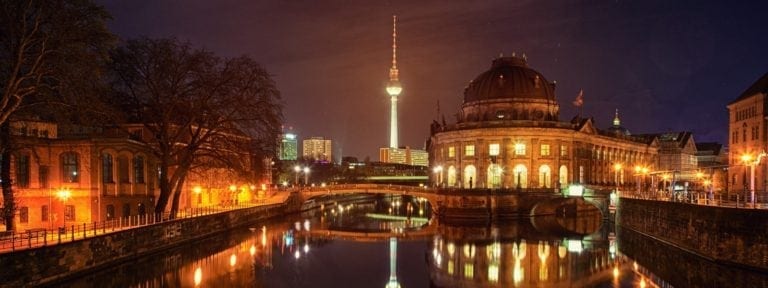
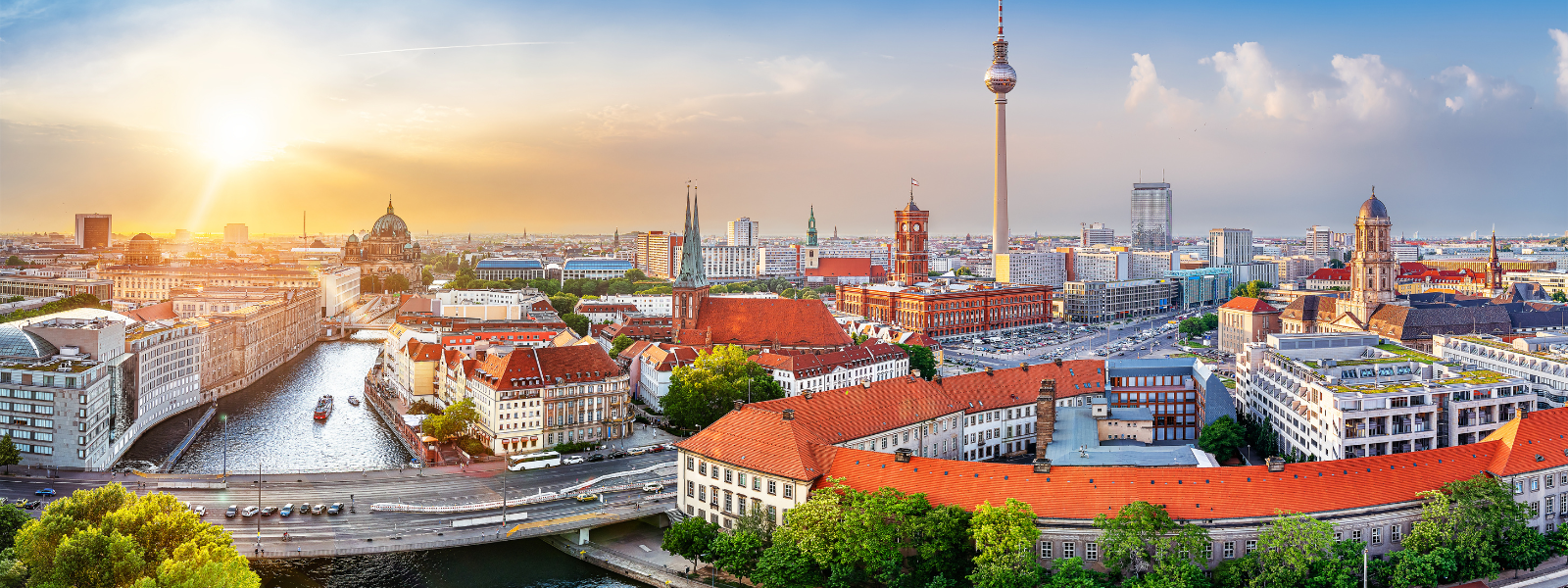
For younger travellers, the working holiday visa in Germany allows Kiwis aged 18–30 to live, work, and travel for up to a year. Beyond work, Germany’s cities like Berlin and Munich, are cultural hubs with rich history, art, and festivals.
Germany also shows growing interest in New Zealand’s culture, including Māori heritage, which helps foster a welcoming environment for newcomers. Combined with a high standard of living and central European location, it’s no surprise so many are moving from New Zealand to Germany each year.
Culture and Lifestyle in Germany: What to Expect
While Germany and New Zealand share values like fairness and respect, everyday life can feel quite different. The German lifestyle places strong emphasis on punctuality, order, and formality, especially in professional settings. Don’t be surprised if small talk is limited; Germans tend to value privacy and direct communication.
Public services are efficient, cities are clean and safe, and traditions like Christmas markets and Oktoberfest add charm to daily life. However, the language barrier and bureaucracy can be challenging. Even basic German skills help ease the transition, especially when dealing with paperwork or public institutions.
Outdoor activities are also popular; cycling, hiking, and local festivals are all part of the experience. While adjusting to cultural differences between New Zealand and Germany takes time, many Kiwis find it a rewarding shift.
Cost of Living: Germany vs New Zealand
Living in Germany is slightly more affordable than in New Zealand overall, especially in major cities.
- Rent: One-bedroom apartments in German city centres cost around 875 USD (approx. 1,461 NZD), compared to about 1,089 USD (approx. 1,818 NZD) in New Zealand.
- Food & groceries: Slightly cheaper overall, though imported items like cheese and meat may cost more.
- Healthcare: Higher monthly costs, but very high quality and often subsidised.
- Salaries: Germany’s average monthly net income is around 3,264 USD (approx. 5,452 NZD), compared to 3,096 USD (approx. 5,174 NZD) in New Zealand, giving Germans slightly more purchasing power.
Public transport in Germany is also highly efficient and affordable. When considering the cost of living in Germany, most Kiwis find it manageable especially with proper planning and budgeting.
Best German Cities for Expats: Berlin, Munich, Hamburg & Frankfurt
Germany has a range of cities that cater well to expats, including:
- Berlin: Known for creativity, diversity, and affordability. A top pick for younger professionals, artists, and digital nomads.
- Munich: Offers high quality of life, excellent safety, and strong job prospects in tech, finance, and automotive industries.
- Hamburg: Slower pace, rich maritime culture, and good affordability. Ideal for families and those who enjoy green spaces.
- Frankfurt: A business and finance hub, home to the European Central Bank. Great for professionals in banking and international trade.
Each city offers reliable public transport, healthcare, and cultural activities—making them excellent options for Kiwis planning an international relocation to Germany.
Education and Schooling Options in Germany
For families, education in Germany is a key consideration. Public schools are free, high-quality, and compulsory from ages 6 to 15–18, depending on the state. However, most instruction is in German.
Kiwi families often choose international schools, especially for short- or mid-term stays. These offer English-medium instruction and international curricula like the IB, British GCSEs, or American diplomas. Cities like Berlin, Munich, and Frankfurt have well-established international schools, although fees may start around EUR 20,000 per year.
Younger children can attend kindergarten (Kita) from age 3, with a focus on play-based learning. Additional support in language and cultural integration is available, especially for family relocation to Germany.
Working in Germany: Visa, Jobs and Requirements
Kiwis can travel visa-free for up to 90 days, but long-term stays require a visa or residence permit. If you want to begin work immediately, apply for a visa before departure.
Key visa pathways include:
- Work visa: Requires a job offer in a qualified field and often recognised credentials.
- EU Blue Card: For highly skilled professionals with salaries above a set threshold.
- Working holiday visa: Allows Kiwis aged 18–30 to live and work for up to 12 months, though not for permanent roles.
Germany’s job market is strong in IT, engineering, healthcare, and renewable energy. Some roles require German language proficiency, so learning the basics helps when applying for jobs.
Shipping Household Goods from NZ to Germany
Relocating with belongings? Most Kiwis use door-to-door moving services for ease and peace of mind.
Popular options include:
- Full Container Load (FCL): Ideal for whole-house moves; faster and secure.
- Groupage / Shared Container: Cost-effective for smaller shipments.
- Air freight: Fastest, but more expensive – best for essentials.
Sea freight usually takes 8–12 weeks, while air freight can take 1–2 weeks. Customs is straightforward if you’re importing used household goods, especially with help from companies that handle customs clearance in Germany.
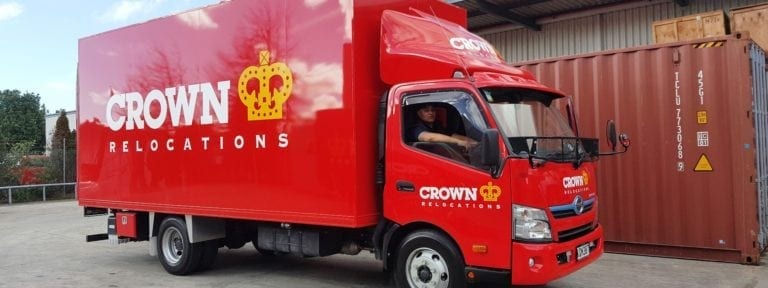
Crown Relocations offers complete support for shipping household goods overseas, including packing, inventory, and transit insurance.
Why Choose Crown Relocations for Your Move
Crown Relocations is a trusted international mover with decades of experience helping New Zealanders settle abroad including across Europe.
They provide:
- End-to-end logistics for packing, shipping, and delivery
- Assistance with border requirements in Germany
- Help navigating customs, documentation, and local compliance
- A dedicated move coordinator to guide your relocation
- Optional support for storage, vehicle shipping, and insurance
If you’re planning a move to Europe, Crown’s services take the pressure off and help you arrive prepared, not overwhelmed.
Frequently Asked Questions
Yes. Germany has a strong job market, excellent healthcare, reliable public transport, and a rich cultural history. Many New Zealanders find it offers both career growth and quality of life.
Germany is more densely populated, has extensive public transport, and offers lower healthcare and education costs. New Zealand offers more open space and outdoor lifestyle.
Yes. While Kiwis can visit for 90 days visa-free, a work, residence, or study visa is required for long-term relocation.
The cost depends on shipment size and method. Sea freight is most cost-effective but takes longer; air freight is faster but more expensive.
Sea freight typically takes 8–12 weeks, while air freight may take 1–2 weeks depending on the route.
Ready to Start Your Germany Move?
Relocating internationally is a big step, but with the right preparation and the right support, it doesn’t have to be stressful.
Whether you’re moving for work, study, or lifestyle change, Crown Relocations can guide every step. From logistics and shipping to storage and paperwork, their experts have helped thousands of Kiwis settle overseas.
Thinking about moving overseas? Or planning your moving to Europe journey? Contact us today and let’s make your Germany move a reality.