


Storage rarely features in the original moving plan. It tends to appear when something does not line up the way it was supposed to, a settlement date shifts, a renovation runs over, or a shipping window closes before the new property is ready.
For most NZ households, storage is not a fallback option. It is a practical tool that makes the moving process work when the timing does not.
The Situations Where Storage Earns Its Place
Most moves involve at least one point where the outgoing and incoming timelines do not match perfectly. The gap might be a matter of days or several months, but in either case you need somewhere safe for your belongings while you wait. The situations that most commonly create this need are more predictable than people expect, which means they are also more avoidable with the right planning.
When Dates Do Not Line Up
Settlement dates and lease start dates are the most common trigger for storage during a move. In a straightforward transaction both dates align and everything moves in sequence. In practice, they often do not. A delayed settlement, a vendor requesting early possession, or a new tenancy that starts two weeks after you have to vacate can each leave you with a household of furniture and no property to put it in.
Short-term storage provides a bridge in these situations. Rather than rushing to find a solution at the last minute, having storage arranged in advance means the move can proceed on its original schedule without the dates dictating everything else. For anyone coordinating moving within New Zealand between properties with uncertain settlement timing, building storage into the plan from the start is a straightforward way to remove one of the bigger variables.
Renovations, Temporary Accommodation and Other Complications
Date misalignment is the most common reason for storage, but it is not the only one. Renovations are a frequent complication, particularly for people moving into an older property who want work completed before the furniture goes in. Storing belongings professionally during that period protects them from dust, damage, and the general disruption of a construction environment.
Temporary accommodation introduces a similar problem. People who move into a rental, stay with family, or take short-term accommodation while they search for a permanent property often cannot bring a full household with them. Storage allows the move to happen on the right timeline without forcing the decision about where to live.
International relocations create their own version of this challenge. Shipping schedules and property availability rarely align neatly, and belongings often need to be stored either before departure or after arrival while the timing resolves itself. For anyone managing international relocations with a gap between leaving one property and accessing another, storage is less a contingency and more an expected part of the process.
Short-term Versus Long-term Storage
The distinction matters more than people often realise when they are first looking into options. Short-term storage, typically a few days to a few months, suits the gap scenarios described above. It is designed for households that need somewhere secure while a specific timing problem resolves itself.
Long-term storage serves a different purpose. It suits people who are downsizing and need somewhere for excess furniture, those who are travelling for an extended period, or households managing a staged international move where some belongings will not be needed for months. The pricing structures, access arrangements, and facility requirements differ between the two, so being clear about which you need before you start looking saves time and avoids mismatches.
What To Look For in A Storage Facility
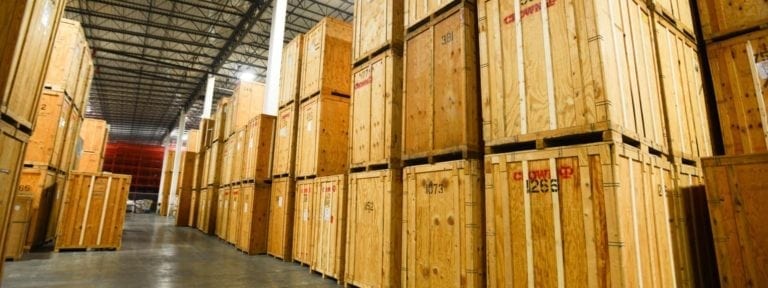
Security, handling standards, and storage conditions are the three things worth examining before committing to a facility. A professionally managed storage operation will have secure premises, careful intake procedures, and conditions suited to household furniture and personal belongings. It is also worth asking how your goods are packed before they go into storage. Proper professional packing before items go into a facility reduces the risk of damage over time, particularly for longer storage periods.
When Moving and Storage Work Together
The most straightforward storage experience is one that is integrated with the move itself rather than arranged separately. When your removalist also manages storage, the handling chain stays consistent, the paperwork is simpler, and you avoid the coordination involved in transferring goods between two separate providers.
For households planning any kind of move where timing is uncertain, exploring storage solutions alongside the moving process rather than after a problem arises gives you more options and considerably less pressure when the dates start shifting.
Frequently Asked Questions
When do people typically need storage during a move?
The most common triggers are settlement dates that do not align, renovations underway at the new property, temporary accommodation arrangements, and international moves where shipping schedules and property availability do not match.
Is short-term storage suitable for house moves?
Yes. Short-term storage is well suited to the gaps that commonly appear during house moves, whether that is a few days between properties or several weeks while a settlement or renovation resolves.
Can I combine moving and storage services?
Yes, and it is generally the simpler approach. When your removalist manages storage directly, the handling chain stays consistent and the coordination between moving out and storing is managed as a single process.
Are professional storage facilities secure?
Professional facilities are designed specifically for household belongings, with secure premises, careful handling procedures, and appropriate storage conditions for furniture and personal items.
Can storage help during an international move?
Yes. Storage is often a necessary part of an international relocation, providing flexibility when shipping schedules and property availability do not align at either end of the move.