
Storage before moving house usually starts with the wrong question: how much can fit into a unit? A better one is what is worth paying to keep. Storage cost follows the volume you send, so every box you add, and every item you later wish you had left behind, carries a price. Deciding what earns a place is the most useful job to finish before anything is collected.
Start with Belongings You Won’t Need Before the Move
Begin with anything you will not touch before moving day: winter bedding in summer, holiday decorations, sports and camping gear, books, spare crockery and the furniture from a guest room. These seasonal belongings can leave the house weeks ahead without disrupting daily life. Decluttering before moving belongs at this stage too, because deciding what to sell, donate or discard is far cheaper at home than after you have paid to move and store it. Items you expect back within a few months of settling in suit short-term storage NZ arrangements, which keeps both the volume and the cost down.
Which Furniture and Household Items Can Go into Storage?
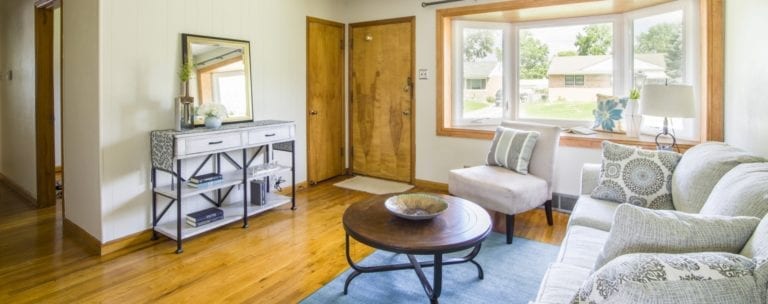
Sofas, bed frames, dining tables, wardrobes and bookcases all store well, as do rugs, mirrors, artwork and appliances, provided they are clean and dry. Temporary furniture storage is especially useful when you are staging a home for sale: remove the pieces that crowd a room and keep the ones you use daily. Then test each piece against your next home. If it will not fit the new floor plan, or you will not need it for a long stretch, long-term storage is a better arrangement than repeatedly extending a short stay.
Keep Everyday Essentials and Important Documents With You
Moving essentials should stay within reach, because a storage facility is not somewhere you can usually collect from at short notice. The test is whether you would be stuck without the item for a day. Medication, identification, moving paperwork, chargers and several days of clothing all pass it, as do bedding, toiletries and basic kitchen items for your first night. Irreplaceable documents and sentimental pieces belong in the same group.
What Shouldn’t You Put in Storage?
Items unsuitable for storage fall into three groups. Hazardous materials such as flammable liquids and gas cylinders create fire risk for everything around them. Perishables attract pests and odour. Anything damp is a quieter problem, since moisture spreads mould into upholstery, timber and cardboard. Belongings sensitive to temperature or humidity, such as wine, photographs or some musical instruments, need a separate conversation with the provider. Request the prohibited-items list before you pack, not after.
How to Prepare Your Belongings for Storage
Packing for storage differs from packing for a move, because items sit stacked for weeks or months rather than travelling for a day. Clean and dry every piece first, since residue and trapped moisture are what cause mould and odour over time. Furniture protection works best with breathable covers or blankets on timber and upholstery rather than sealed plastic, which can trap condensation. Dismantle bed frames and tables where possible, and tape bagged screws and fittings to the piece they belong to. Pack books and other dense items in small boxes and keep heavier boxes at the bottom of any stack.
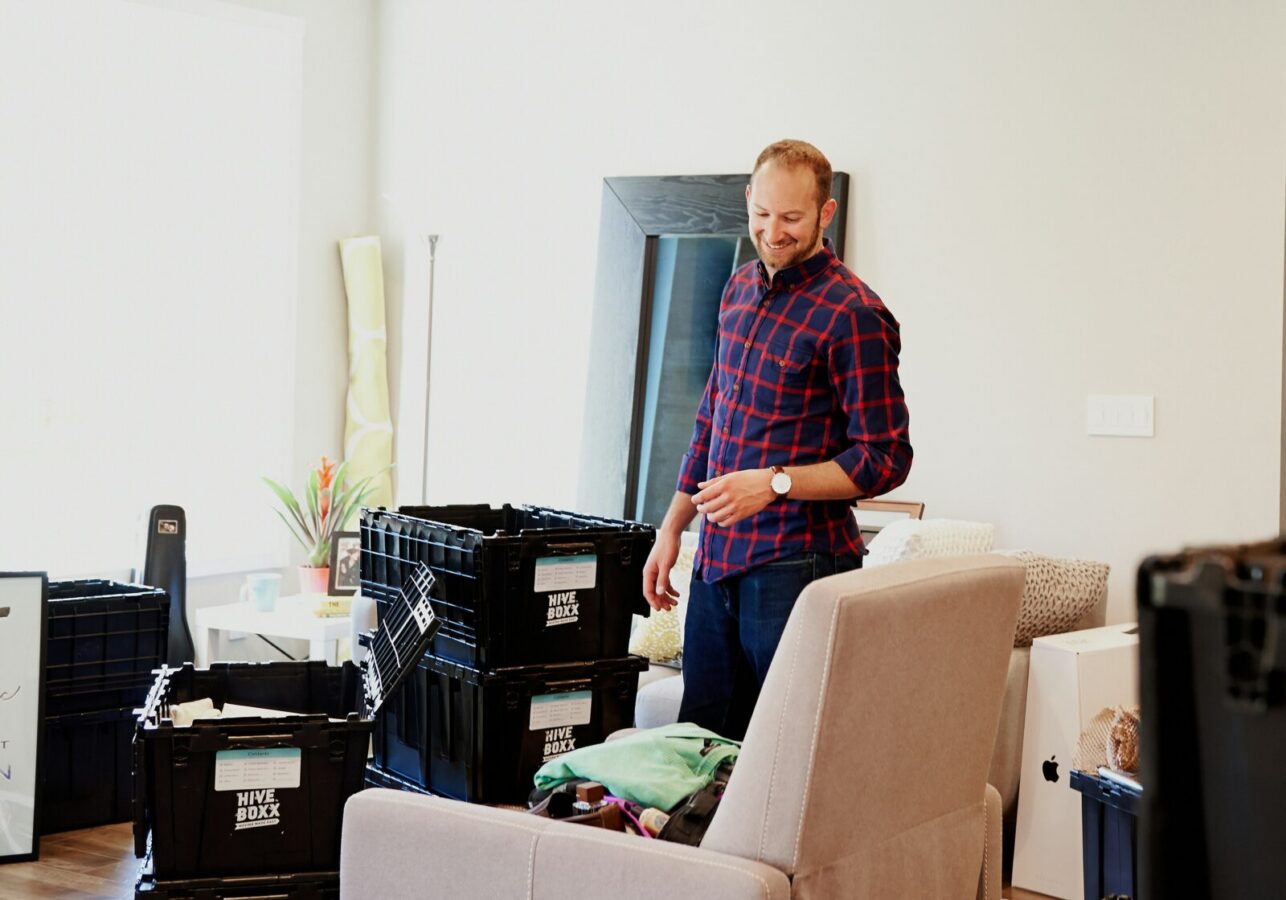
Fragile, awkward or high-value pieces are worth handing to a professional packing team, who wrap and box them for stacking and a longer wait as well as for transit. Labelled storage boxes, marked by room and contents, let you find one item without unpacking ten, and an inventory with photos backs that up.
Arrange Storage Around Your Moving Dates
Storage works best when it is planned against your timeline rather than added at the last minute. If you are moving within New Zealand, consider when each group of items needs collecting, when you will want them back and whether anything should stay with you until the final days. Once you have a sense of your storage volume, timing and collection requirements, talk to Crown and ask for a moving and storage quote built around them.
FAQs
Start with belongings you are unlikely to need before moving day, such as seasonal decorations, spare furniture, books and occasional-use household items. Sort out anything you plan to sell, donate or discard first so you are only paying to store belongings you want to keep.
Storing surplus furniture can help create more space and make rooms easier for buyers to walk through. Keep enough furniture for everyday use and consider which pieces you will need in your next home before arranging collection.
Keep medication, identification, moving paperwork, valuables, chargers and everyday clothing with you. Set aside bedding, toiletries, basic kitchen items and anything children or pets will need during the move and your first few days in the new home.
Perishable food, flammable liquids, gas cylinders and other hazardous materials are generally unsuitable, as is anything damp or dirty. Ask your storage provider for its prohibited-items list before collection, and discuss any belongings needing particular temperature or humidity conditions separately.
Clean and thoroughly dry items before packing, empty and dry appliances, secure loose parts, and ask your mover about suitable protective materials and any dismantling required. Label boxes clearly and keep an inventory so you know what has gone into storage.