
Shipping a household from New Zealand to Australia involves more stages than most people anticipate when they first start planning. The distance is short by international standards, but the process, from getting your belongings ready in New Zealand through to delivery at your new Australian address, has enough moving parts that understanding each stage in advance makes a meaningful difference to how smoothly the whole thing runs.
Getting your belongings ready to ship
The preparation stage is where most people underestimate the time required. Before anything is packed or collected, you need a clear picture of what you are shipping. This means deciding what to bring, what to sell or donate, and what may cause problems at the Australian border. Australia has some of the strictest biosecurity requirements in the world, and the preparation decisions you make in New Zealand directly affect what happens when your shipment arrives.
Items that have been used outdoors deserve particular attention. Gardening tools, camping equipment, footwear, and anything carrying soil, plant material, or organic residue are the most common sources of biosecurity issues. Cleaning these items thoroughly before they are packed is not optional. It is a practical step that protects your shipment from delays and additional costs at the other end.
Packing and collection from your New Zealand home
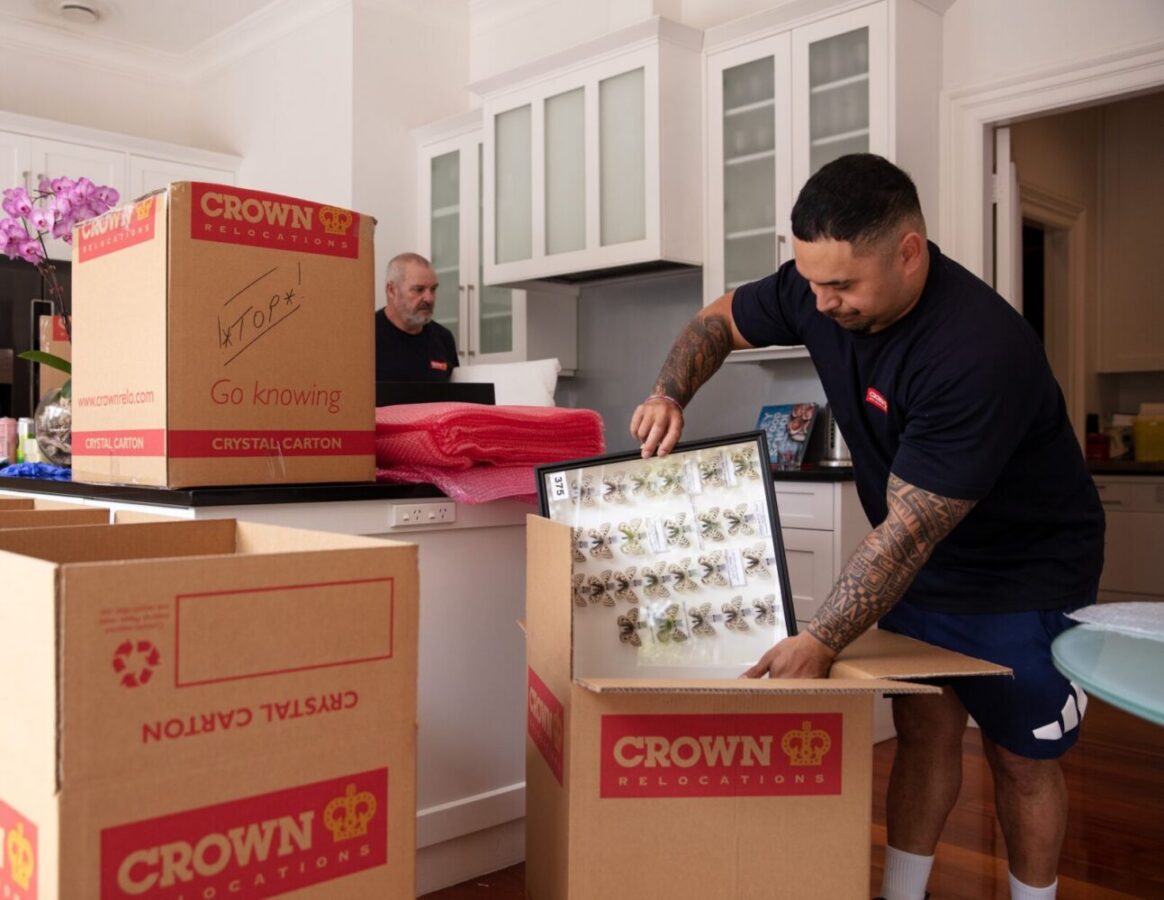
Once you know what you are shipping, the packing process begins. For an international move of this nature, how goods are packed matters considerably. Belongings need to be secured for sea freight transit, which means appropriate materials, proper wrapping of fragile items, and cartons that are packed to weight and structural standards suited to extended handling.
Professional packing removes the guesswork from this stage and also has implications for any insurance claim if damage occurs during transit. Once packing is complete, your belongings are collected from your New Zealand address and transported to the port for loading.
Australian customs and biosecurity
This is the stage that catches people most off guard. All household goods entering Australia are subject to customs assessment and biosecurity inspection. You will need to complete a Customs and Biosecurity Import Declaration, and your shipment may be selected for physical inspection depending on its contents and the information provided in your documentation.
Accurate and complete documentation is essential. Errors or omissions in your inventory or declaration paperwork can result in delays, additional inspection costs, or items being held while issues are resolved. An experienced international moving provider will manage this documentation as part of the service, which significantly reduces the risk of problems at this stage.
Timeframes and what affects them
The sea crossing from New Zealand to Australia is relatively short, but the total door-to-door timeline for a household shipment is longer than most people expect. Shipping schedules, port processing, customs clearance, and final delivery logistics all contribute to the overall timeframe. A realistic expectation for most shipments is several weeks from collection in New Zealand to delivery at your Australian address, though the specific timeline depends on your departure point, destination city, and how quickly customs clearance is completed.
Booking your move early and having documentation prepared in advance are the two most effective ways to keep the timeline as tight as possible.
Delivery and getting settled
Once your shipment has cleared customs and biosecurity, it is transported from the Australian port to your new address. Depending on your destination city and the access conditions at your property, this final leg may involve a direct delivery or a transfer to a local delivery vehicle. If your new home is not yet ready when your shipment clears, storage can be arranged to bridge the gap without the goods sitting at the port.
For anyone still working through the broader planning involved in moving to Australia from New Zealand, the shipping process is one part of a wider relocation picture that benefits from being mapped out well in advance.
Making the process work
A New Zealand to Australia household shipment has a clear sequence, but each stage depends on the one before it being handled correctly. Preparation affects biosecurity outcomes. Packing affects transit risk. Documentation affects customs clearance. Getting each stage right requires either a detailed understanding of the process or a provider who manages it end to end.
For those looking at the full scope of what international movers handle on a move like this, the value is not just in the physical transportation. It is in the coordination, documentation, and experience that keeps each stage of the process moving without unnecessary delays or surprises.
Frequently Asked Questions
How do I ship household goods from New Zealand to Australia?
The process runs from preparation and packing at your New Zealand home through to collection, sea freight, Australian customs and biosecurity clearance, and final delivery to your new address. Each stage has its own requirements and timeline.
How long does it take to ship household goods from New Zealand to Australia?
The total timeline varies depending on shipping schedules, your departure and destination locations, and how quickly customs clearance is completed. Several weeks is a realistic expectation for most shipments from collection to delivery.
Do household goods need to clear customs when moving to Australia?
Yes. All household goods entering Australia are subject to customs assessment and biosecurity inspection. Documentation needs to be accurate and complete before a shipment can be cleared and released for delivery.
What does transit insurance cover during a house move?What items can cause problems with Australian biosecurity?
Items carrying soil, plant material, or organic residue are the most common sources of biosecurity issues. Outdoor equipment, gardening tools, and footwear should be thoroughly cleaned before packing to reduce the risk of delays or additional inspection at the Australian border.
Should I use professional movers to ship household goods to Australia?
Managing the documentation, biosecurity requirements, shipping coordination, and customs clearance involved in an international household shipment is complex. Professional international movers handle each stage as part of the service, which reduces the risk of errors and delays considerably.