
The straightforward answer is that furniture can stay in storage for as long as you need it to. There is no universal upper limit on storage duration, and well-managed storage facilities are designed to hold household belongings safely for weeks, months, or considerably longer.
The more useful question is not how long is possible, but what type of storage suits your situation and what needs to happen to your furniture before it goes in.
How long furniture can realistically stay in storage
Professionally managed storage is designed for both short and extended periods, and furniture that is properly prepared and stored in appropriate conditions can remain in good shape for a long time. The variables that affect how well furniture holds up over time are less about duration and more about preparation, environment, and handling. A piece of furniture stored correctly for twelve months will generally fare better than one stored carelessly for six weeks.
The practical limit on storage duration is usually driven by cost and circumstance rather than by any risk to the furniture itself. People store belongings for a defined period because they have a move-in date in sight, or indefinitely because their situation requires it. Both are normal, and the storage solution you choose should reflect which applies to you.
Short-term versus long-term storage in practice
The distinction matters more in terms of service structure than in terms of what happens to your belongings. Short-term storage is designed for the gaps that commonly appear during a house move, a few days between properties, a week while settlement finalises, or a month while a renovation completes. It is flexible, accessible, and built around a defined end date.
Long-term storage serves a different set of circumstances. The pricing structure, access arrangements, and the way goods are packed and handled reflect the expectation that belongings will remain stored for an extended period. Choosing a short-term product for what turns out to be a long-term need, or vice versa, creates friction that is worth avoiding by being clear about your timeline from the start.
Situations where extended storage makes sense
The most common triggers for long-term storage during a house move are overseas relocations where shipping timelines and property availability do not align, renovations or new builds where the home is not ready for an extended period, downsizing where the destination property cannot accommodate everything immediately, and extended travel or temporary accommodation where bringing a full household is not practical.
In each of these situations the common thread is an uncertain or extended gap between leaving one property and being ready to fully occupy another. Storage bridges that gap without forcing decisions about furniture that may not need to be made yet.
How furniture is protected during storage
A professionally managed storage facility is designed specifically to protect household belongings. Secure premises, appropriate handling procedures, and storage conditions suited to furniture and personal items are standard expectations of a quality storage operation. What varies between providers is the consistency with which those standards are applied and the level of care taken at the intake stage when goods first arrive.
The handling at the point of entry matters considerably. Furniture that is logged, wrapped, and positioned correctly when it goes in is far less likely to present problems when it comes out, regardless of how long it has been stored. For anyone considering storage solutions as part of a broader move, asking how goods are received and handled at intake is one of the more useful questions to put to a storage provider.a
Preparing furniture before it goes in
Preparation is the part of the storage process that sits most firmly within your control, and it has a direct bearing on how furniture emerges at the other end. The basics are straightforward. Furniture should be clean and completely dry before it goes into storage. Moisture trapped against upholstery, timber, or metal surfaces will cause problems over time regardless of how well the facility itself is managed.
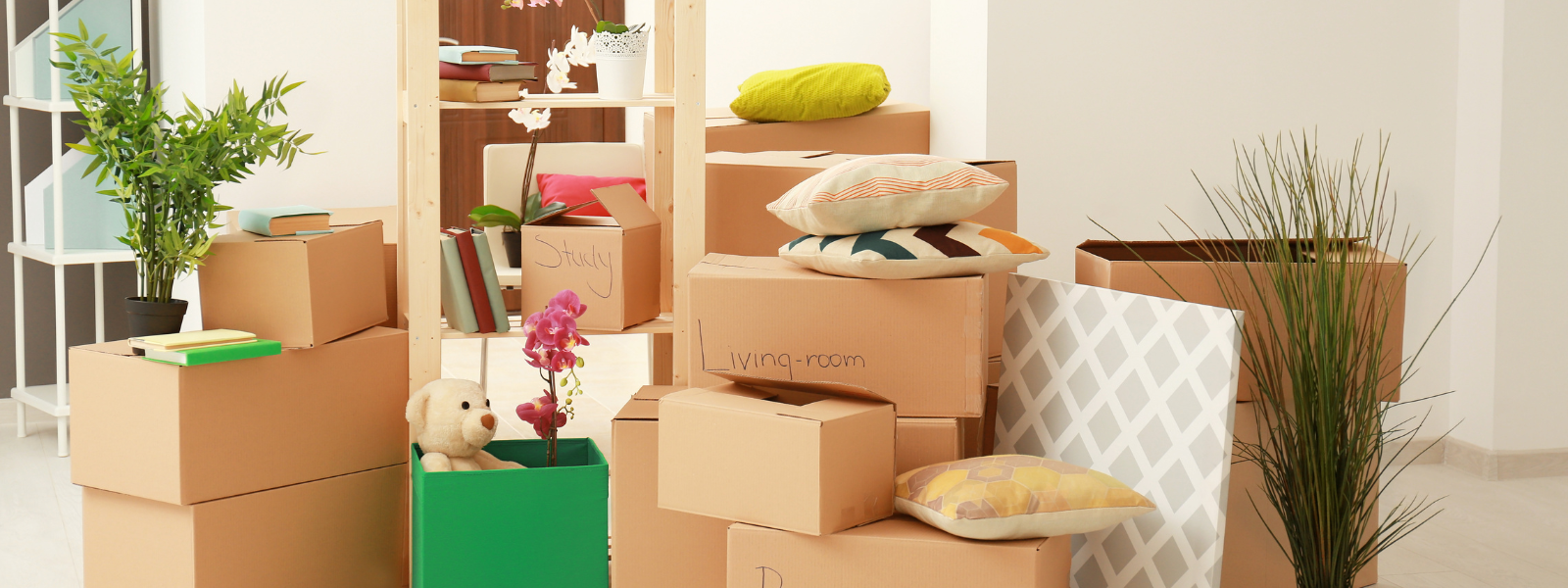
Disassembling larger pieces where possible reduces the risk of damage during handling and makes better use of storage space. Wrapping surfaces, particularly timber and glass, protects against dust and contact damage. For longer storage periods, professional packing and preparation by your moving provider takes the uncertainty out of this stage and ensures the preparation standard is consistent across everything going into storage.
Choosing the right option for your situation
The right storage solution comes down to three things: how long you need it, what you are storing, and how the storage fits into the broader logistics of your move. A short gap between properties calls for a different product than an open-ended storage arrangement during an overseas relocation, and the preparation required for each is different too.
Getting clarity on your timeline, even a rough one, before you commit to a storage arrangement means the solution you choose is actually suited to your situation rather than the closest available option. The earlier that conversation happens in the planning process, the more flexibility you retain on both the storage and the move itself.
Frequently Asked Questions
How long can you keep furniture in storage?
Furniture can be stored for short or extended periods depending on your needs and the storage service selected. There is no fixed upper limit, and professionally managed storage is designed to hold household belongings safely for as long as required.
Is it safe to keep furniture in storage long-term?
Yes, when furniture is properly prepared and stored in appropriate conditions. Preparation before storage and the quality of the facility and handling procedures are the factors that matter most, not the duration itself.
When should I use long-term storage when moving house?
Long-term storage is worth considering when relocating overseas, renovating or building, downsizing, travelling for an extended period, or moving into temporary accommodation where bringing a full household is not practical.
What is the difference between short-term and long-term storage?
Short-term storage suits temporary gaps between properties or short renovation periods. Long-term storage is structured for belongings that need to remain stored for an extended or open-ended period, with pricing and access arrangements that reflect that.
How should furniture be prepared for storage?
Furniture should be clean and completely dry before going into storage, with surfaces wrapped or protected against dust and contact damage. Larger pieces should be disassembled where possible, and professional preparation by your moving provider ensures a consistent standard across everything being stored.