

Switzerland has a way of appearing straightforward from a distance. It is stable, well-organised, and broadly welcoming to international professionals.
What catches people off guard is the layer of administrative complexity that sits underneath that reputation, particularly around residency permits, and the cost of living, which is higher than most New Zealanders anticipate even after doing their research.
None of this should discourage the move. It should simply inform how you plan it.
Why Switzerland and What Draws New Zealanders There
The appeal is genuine and varied. Switzerland’s quality of life rankings are consistently among the highest in the world, the job market for skilled professionals is strong across finance, pharmaceuticals, engineering, and technology, and its central location in Europe makes it an attractive base for people who want to travel extensively. Cities like Zurich, Geneva, Basel, and Bern each have distinct characters, and the country’s multilingual nature means you can often find an environment that suits your background and working language.
For New Zealanders, the cultural adjustment tends to be smoother than expected in some respects and more demanding in others. The Swiss value punctuality, privacy, and a degree of formality in professional and social contexts that takes some getting used to. Community integration can be slow, particularly outside English-speaking professional circles, but people who invest in it consistently report that the lifestyle payoff is significant.
Visas, Permits and the Residency Framework
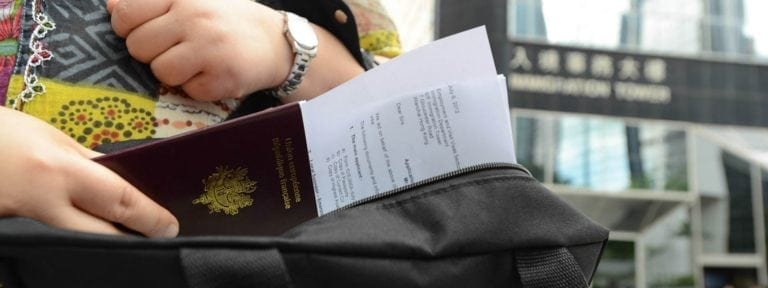
New Zealand citizens are considered third-country nationals under Swiss immigration law, which means the permit process is more involved than it is for EU or EFTA citizens. The most common route for people moving for work is the L permit for short-term stays of up to one year or the B permit for longer-term residency, both of which typically require a confirmed job offer from a Swiss employer.
The permit application is usually initiated by your employer rather than by you directly, but understanding the framework before you arrive means you are not navigating it under pressure after the fact. If you are moving for reasons other than employment, such as to join a partner or pursue independent work, the applicable permit category changes and the requirements shift accordingly. Getting clarity on your specific situation well before departure is not optional, it is the starting point for everything else.
The Cost of Living and What to Expect Financially
Switzerland is routinely ranked among the most expensive countries in the world to live in, and the reality tends to exceed expectations even for people who have researched it carefully. Rent in Zurich or Geneva for a modest two-bedroom apartment in a central location sits well above what most New Zealanders will have paid previously. Groceries, dining, childcare, and health insurance all reflect a cost base that requires a meaningfully higher salary to maintain a comparable standard of living.
The good news is that Swiss salaries in professional roles tend to reflect this, and the tax system, while complex at the cantonal level, is generally favourable compared to many other European countries. The key is doing the financial modelling before you accept a role rather than after, factoring in not just the salary but the canton you will be living in, the tax implications, and the actual cost of housing in that area.
Shipping Your Household to Switzerland
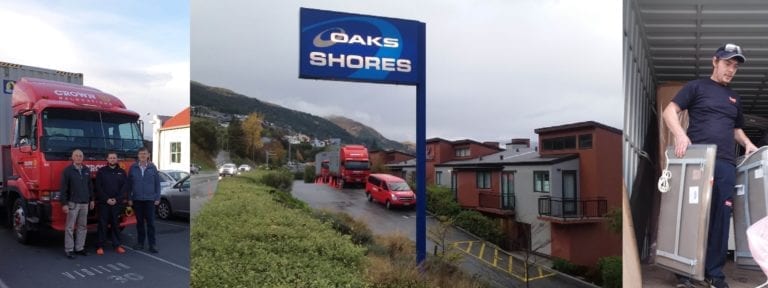
Sea freight is the standard option for moving household goods from New Zealand to Switzerland, and the transit time runs to several weeks before customs clearance and inland delivery are factored in. Switzerland is not an EU member, which means customs processes apply independently and documentation needs to be accurate and complete to avoid delays.
Items brought in as part of a household removal are generally exempt from customs duty provided they have been owned for a minimum period and the documentation supports this, but the specifics depend on your permit status and the timing of your arrival. Working with experienced international movers from New Zealand who understand Swiss customs requirements means those details are managed correctly from the start rather than becoming a problem at the other end.
Language, Culture and Settling in
Switzerland has four official languages: German, French, Italian, and Romansh, with the region you settle in determining which is dominant. Zurich and most of German-speaking Switzerland use Swiss German in daily life, which is meaningfully different from standard German. Geneva and the western cantons are French-speaking. Basel sits at the intersection of three countries and cultures.
Most professional environments in major cities operate comfortably in English, and many international companies conduct business in English as a matter of course. Day-to-day life outside the office, however, benefits considerably from at least a working knowledge of the local language. Investing in language learning before and after you arrive accelerates the transition from feeling like an expat to feeling settled.
For New Zealanders still exploring European destinations or comparing options before committing to Switzerland specifically, the broader considerations around moving to Europe from New Zealand are worth working through before finalising a plan.
Getting the move right
A New Zealand to Switzerland relocation involves more moving parts than most international moves. The permit framework, the cost of living adjustment, the shipping timeline, and the language environment all require attention before departure rather than after arrival.
The people who navigate it most successfully are those who treat the planning process as seriously as the move itself, starting several months out and working through each element methodically rather than leaving decisions to the last minute.
Frequently Asked Questions
Do New Zealanders need a visa to move to Switzerland?
Yes. New Zealand citizens require the appropriate residence permit depending on the purpose of their move, whether that is work, study, or joining a family member. The permit category determines the application process and requirements.
How long does shipping from New Zealand to Switzerland take?
Sea freight typically takes several weeks, with the total timeline depending on shipping schedules, Swiss customs clearance, and the final delivery location within the country.
Can I ship my household belongings to Switzerland?
Yes. Household goods can be shipped to Switzerland, and items that qualify as a personal removal are generally exempt from customs duty provided the documentation is in order and ownership requirements are met.
When should I start planning an international move to Switzerland?
Several months before your intended departure date at minimum. Permit applications, shipping lead times, and accommodation searches each take longer than most people expect when combined.
Why use professional international movers when relocating to Switzerland?
Switzerland’s customs requirements and the complexity of an inter-continental move benefit from experienced handling. Professional movers manage packing, documentation, customs clearance, and delivery, reducing the risk of delays and errors at each stage.