

Moving to Waikato is not only about leaving Auckland for a quieter pace.
For many families, professionals and retirees, it is a practical move toward more space, easier regional access and a lifestyle that still keeps major centres within reach.
Hamilton is the clearest affordability story, but the wider region offers different options depending on whether you want city convenience, a rural feel, lakeside living or a smaller town community.
Waikato’s Place on the Relocation Shortlist
Waikato has become a serious option for people who want a better balance between cost, lifestyle and access. Hamilton gives movers the benefits of a growing city without the same scale or pressure as Auckland. It has employment, education, healthcare, retail and hospitality options, while still feeling more manageable for day-to-day living.
Hybrid work has also made Waikato relocation more realistic. People who only need to be in Auckland occasionally may find Hamilton or nearby towns workable, especially when they want more room at home or a different environment for raising children. For anyone comparing regional options before moving within New Zealand, Waikato often stands out because it offers both lifestyle change and practical access to Auckland, Bay of Plenty and the central North Island.
The lifestyle benefits Waikato offers are varied. There are urban suburbs, lifestyle blocks, rural townships, riverside areas, lakeside destinations and easy access to central North Island travel routes. For many movers, the attraction is not one single factor. It is the combination of space, convenience and a calmer daily rhythm.
Where to Live: Key Waikato Locations
Hamilton is often the first place people consider when relocating to the Waikato region. It is the region’s main city, with established suburbs, newer growth areas, schools, tertiary education and major services. For Auckland movers, Hamilton can offer a clearer affordability gap while still providing the practical infrastructure needed for work and family life.
Cambridge is popular for its village feel, heritage character, equestrian links and strong lifestyle appeal. However, it should not be framed as the affordable alternative to Auckland. With Cambridge average values around NZ$1,076,500 in March 2026, it can sit much closer to Auckland pricing than many people expect.
Taupō appeals to people looking for lake access, tourism, outdoor recreation and a slower pace. Te Awamutu offers a smaller-town setting with proximity to Hamilton, while Matamata attracts movers who want a rural community feel with access to surrounding farmland and regional routes.
The best choice depends on whether your priority is affordability, commute time, schools, lifestyle or long-term property plans.
Housing Costs, Commuting and Daily Life
Housing is one of the main reasons people compare Auckland and Waikato.
Auckland’s median property value sits around NZ$1,125,000, while Hamilton’s December 2025 median is around NZ$717,495. The wider Waikato region average was around NZ$822,390 in March 2024, giving useful context but not telling the whole story, as prices vary significantly between Hamilton, Cambridge, lifestyle areas and smaller towns.
Daily costs may also feel different. Hamilton is estimated to be around 26% less expensive overall than Auckland, and three-bedroom rentals in Auckland can cost roughly NZ$100 to NZ$140 more per week. For households trying to manage mortgage pressure, rent, transport and family expenses, those gaps can matter.
Commuting is possible, but it needs realistic planning. The drive between Auckland and Hamilton is often around 1.5 hours via SH1, depending on traffic and exact suburbs. Te Huia also connects Auckland and Hamilton, with an average journey of around 2 hours and 36 minutes and services running up to three times daily on some weekdays. For occasional Auckland travel, this can work well. For daily commuting, the time cost needs careful thought.
What Your Move Will Actually Involve
A Waikato move may look simple on a map, but the logistics depend heavily on your home size, access, timing and destination. Professional removals for a regional move typically range from about NZ$750 to NZ$3,500, depending on factors such as truck size, labour hours, packing requirements and access at both properties. Treat that as a directional range, not Crown’s pricing. For an accurate figure, it is better to request a tailored moving quote.
Planning matters because long-distance moves involve more than loading a truck. Settlement timing, key handover, school starts, storage, fragile items, stairs, shared driveways, and rural access can all affect the schedule. A move from an Auckland apartment into a Hamilton townhouse will involve different planning from a move into a lifestyle block outside Te Awamutu or a lakeside property near Taupō.
Making the Logistics Fit the Household
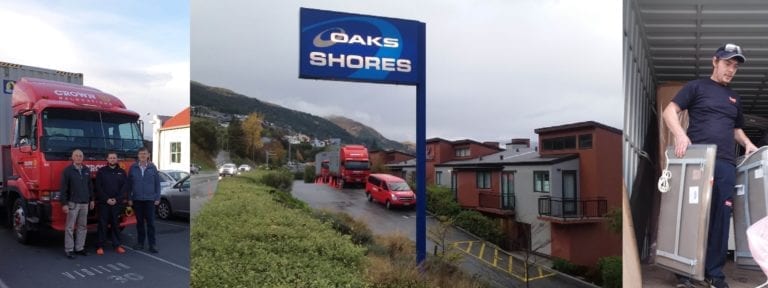
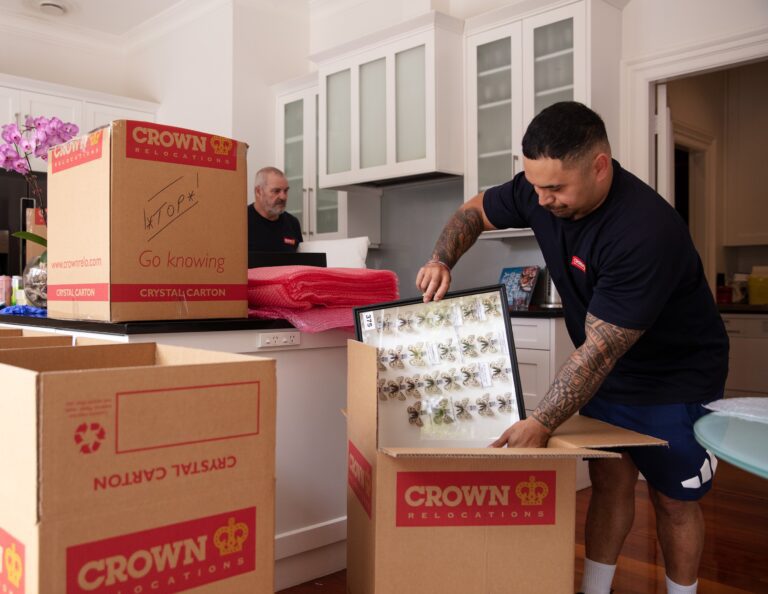
Experienced professional movers can help by coordinating packing, transport, access, storage and timing around your actual household needs. That support can be especially useful if you are moving with children, downsizing from Auckland, relocating to a larger home or trying to align your move with a property settlement.
If Waikato is becoming a serious option, start by comparing locations, costs and access requirements before locking in dates. Crown can help with Waikato relocations by planning the move around your household, destination and timing, so the process feels clear from the first quote through to moving day.
Frequently Asked Questions
People are moving to Waikato for affordability, lifestyle balance, regional growth and easier access to Auckland and the central North Island.
Popular options include Hamilton, Cambridge, Taupō, Te Awamutu and Matamata, each offering a different mix of city access, lifestyle appeal and community feel.
Hamilton is generally more affordable, with a median of around NZ$717,495 compared with Auckland’s roughly NZ$1,125,000. Hamilton’s overall cost of living is also estimated to be about 26% lower.
A regional move can typically range from about NZ$750 to NZ$3,500, depending on home size, packing needs, access and labour requirements.
Yes, professional movers can help coordinate packing, transport, access, storage and timing, especially for intercity moving NZ routes or larger household relocations.