

London remains one of the most exciting cities in the world, and for many New Zealanders, it’s a natural next step. Whether you’re heading over for work, adventure, or to join friends and family already living there, preparing for the move can feel overwhelming.
Here’s what to expect when moving to London, from choosing a suburb to settling in.
Why London Attracts New Zealanders
London appeals to Kiwis for its global career opportunities, cultural diversity, and strong New Zealander expat community. Over 48,000 New Zealanders currently live in the UK, with nearly half based in London. With British ancestry common among Kiwis, UK visas such as the Ancestry Visa or the Youth Mobility Scheme make working and travelling easier.
The city’s career opportunities in finance, media, technology, healthcare, and professional services are major drawcards especially for young professionals seeking salaries or roles not readily available at home. Add to that a lively Kiwi social scene, and it’s easy to see why London’s calling.
Choosing the Right London Neighbourhood
Where you live will shape your experience. Areas like Clapham, Acton, and Hammersmith are Kiwi favourites, thanks to their balance of affordability, green spaces, and community feel. Good transport links also make daily commuting manageable – something vital when budgeting time and cost.
Clapham is known for its parks, cafes, and nightlife, while Acton offers budget-friendly flats and access to the Elizabeth Line. Hammersmith and Fulham blend vibrant local life with Tube connections that appeal to working professionals and families alike.
If you’re still weighing up options for moving to the UK, consider how each London zone suits your lifestyle – commute times, housing prices, and community networks all play a role in helping Kiwis settle comfortably.
Renting vs Buying in London
Most newcomers start by renting. The market is competitive, with average monthly rents around £2,200 (NZD 6,300) for a one-bedroom flat in 2025. Expect bidding wars and higher upfront costs like deposits and advance rent.
Buying becomes a realistic option after 5 – 7 years, especially for those with permanent residency or stable UK income. Average home prices exceed £700,000 in many areas, with hefty deposits and additional costs for non-residents.
Schools and Education Options
For families, schooling plays a key role in choosing where to live. London offers:
- State schools: free, postcode-based admission
- Private schools: independent, fee-paying, and
- International schools: offering global curricula like IB or American systems
Catchment areas are critical for state schools – proximity often determines enrolment, especially in oversubscribed areas like Clapham or Hammersmith.
Finding Work and Building a Career
London’s job market is vast. Kiwis often arrive on working holiday or ancestry visas, finding roles in administration, hospitality, or temp work before progressing to skilled positions. Strong growth sectors include technology, fintech, healthcare, education, and life sciences.
Recruitment agencies, LinkedIn, and networks like Kiwis in London can help you land your first role. Upskilling in areas like AI, digital marketing, or compliance is a smart way to unlock higher salaries and long-term sponsorships.
What Everyday Life in London Is Really Like
Expect a fast-paced lifestyle. Public transport is efficient, with Oyster or contactless payments averaging £158/month (NZD 450).
The weather is mild but grey – think waterproof jackets and vitamin D supplements.
Social life revolves around pubs, cafes, and green spaces. Parks like Hyde Park or Clapham Common offer a slice of nature, while weekend markets like Borough and Camden provide food and culture.
The city may be more expensive than home, but your money goes further in some areas – groceries and entertainment are often cheaper than in New Zealand.
If you’re after ideas on what to experience once you land, including work and play, don’t miss out on these must-dos in London.
Relocating Your Belongings to the UK
Shipping to the UK from New Zealand can be done via sea freight (6-10 weeks, more affordable for larger loads) or air freight (1-2 weeks, best for essentials).
Expect customs declarations, VAT on valuable goods, and possible biosecurity checks.
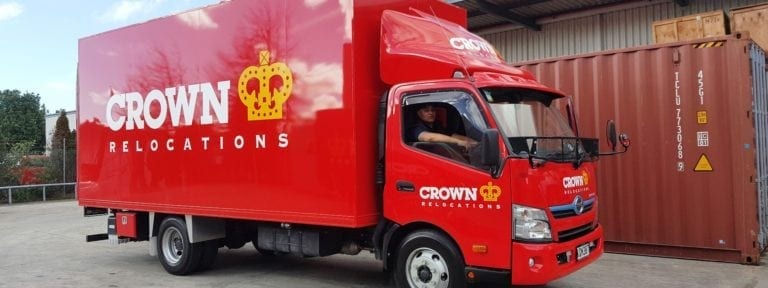
Working with experienced international movers like Crown Relocations ensures a smoother transition, with packing, transit insurance, and customs paperwork managed for you.
How Crown Relocations Supports Your Move
Crown Relocations NZ offers end-to-end international relocation services, making your move to London as seamless as possible. From packing and secure shipping to settling-in services, school searches, and home-finding support, the Crown Relocations New Zealand team helps you hit the ground running.
Whether you’re relocating solo or with family, Crown can coordinate timelines, manage documentation, and ease the burden of moving across the world. Our team understands the Kiwi mindset and London market, so you can focus on finding your feet in your new city.
Ready To Start Your London Journey?
Whether you’re planning a short-term stay or a long-term move, Crown Relocations NZ is here to help.
Get expert guidance, secure logistics, and complete peace of mind with a team that understands Kiwi movers. Contact Crown Relocations NZ to start planning today.
FAQs for Kiwis Moving to London
Yes. London offers excellent job opportunities, diverse communities, and an active Kiwi expat culture.
Clapham, Fulham, Shepherd’s Bush, and Wimbledon are long-time favourites for NZ expats due to their strong communities and convenient transport links.
Most newcomers choose to rent first. It offers flexibility and time to explore different neighbourhoods before committing to buying property.
Some costs like rent and transport are higher, especially in central zones. However, expenses like groceries and entertainment can be more affordable depending on where you live.
Yes. Common options include working holiday visas, skilled worker sponsorships, and ancestry visas, depending on your age, background, and intended length of stay.